Did a NASA exoplanet-hunting balloon really 'crash' in Texas? Not according to the scientist behind the flight October 15, 2025
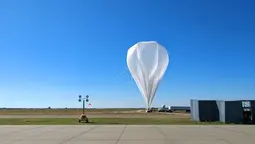
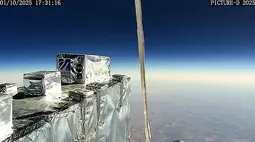
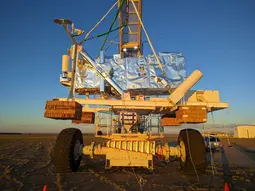
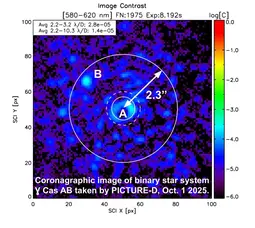
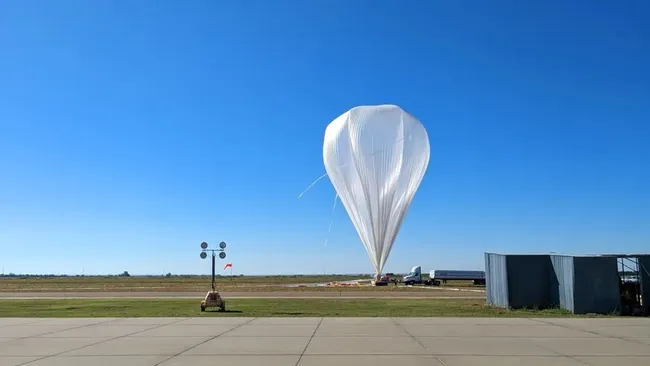
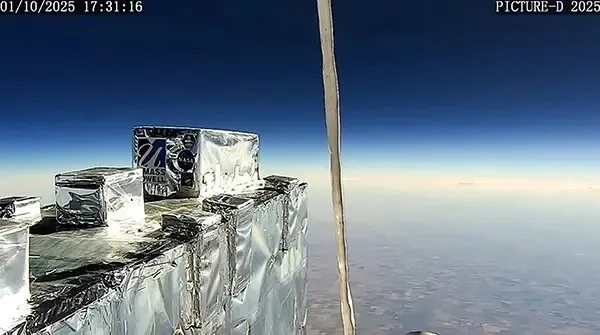
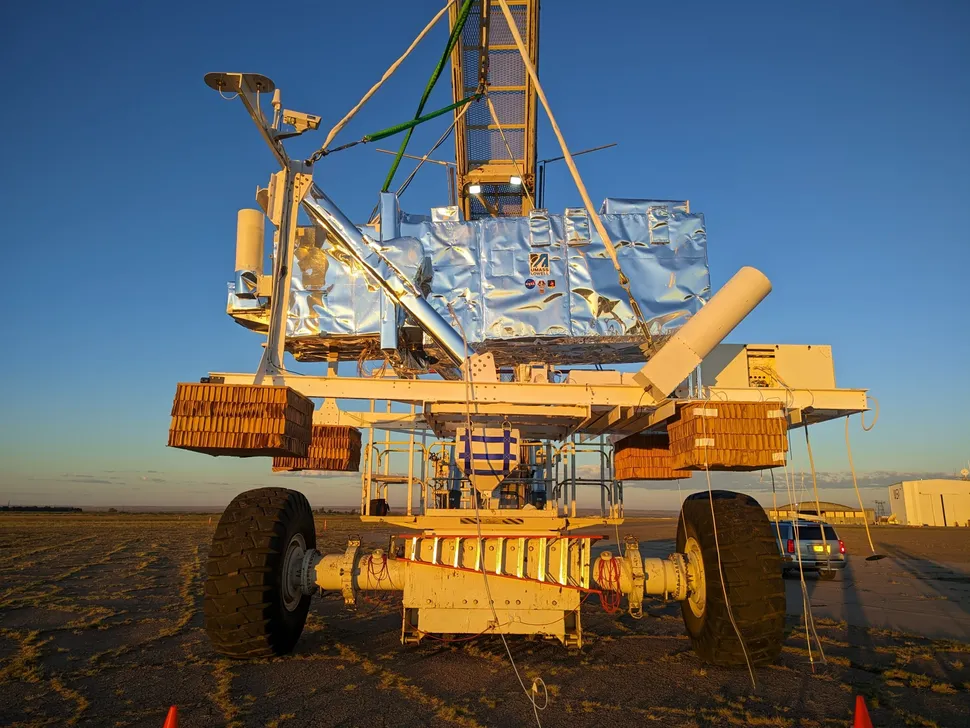
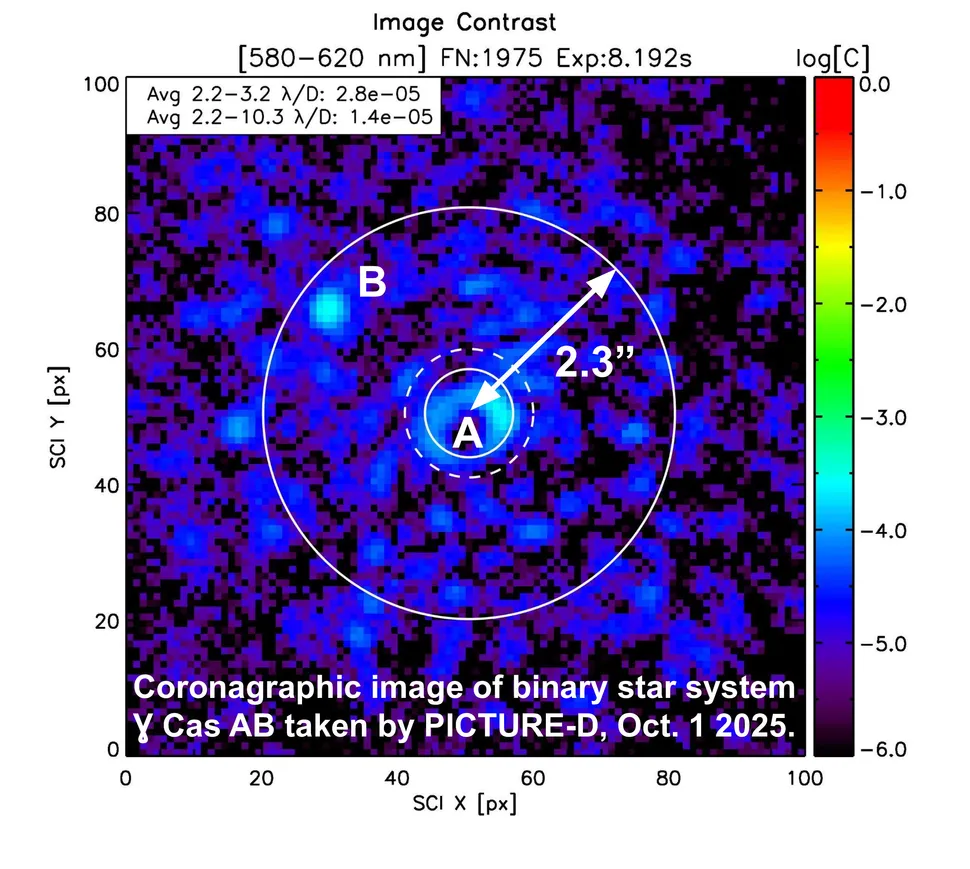
A special exemption allowed a NASA-funded weather balloon to launch as planned Oct. 1, despite the ongoing government shutdown that began that day. But news about the balloon, and an exoplanet-hunting experiment on board, got a little confused after touchdown.
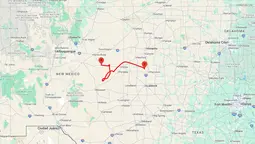
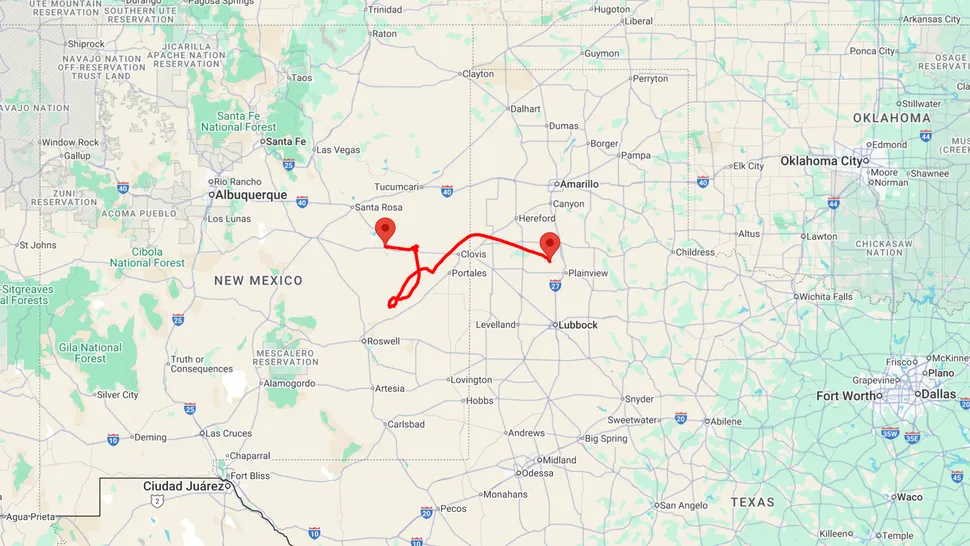
When the balloon landed Oct. 2 in farmland in Hale County, Texas after a flight high in Earth's atmosphere, several local news reports suggested the balloon had crashed (or landed unexpectedly) — but that's not what happened, said experiment principal investigator Christopher Mendillo. "I'm sure they just had no information to go on and made some assumptions," Mendillo, a University of Massachusetts Lowell exoplanet researcher, told Space.com. His team has been working on iterations of the planet-seeking experiment since 2005, launching on both sounding rockets and balloons.
"A team of talented NASA professionals monitors the [balloon] flight for the entire duration, and carefully chooses the landing site to avoid population centers, energy infrastructure, bodies of water, mountains, etc.," Mendillo said via email. "Farm and ranch landings are quite common, and it is a credit to those involved that they found such a nice soft place to put us down [...] The balloon has no guidance or propulsion of any kind on board. The flight team incorporates real-time tracking and weather data to predict exactly where the payload and balloon will land when they terminate the flight — within some range of uncertainty."