jlegal.org Understanding the Federal Budget Pie Chart The Law Offices of James L. Arrasmith
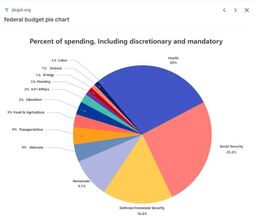
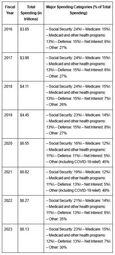
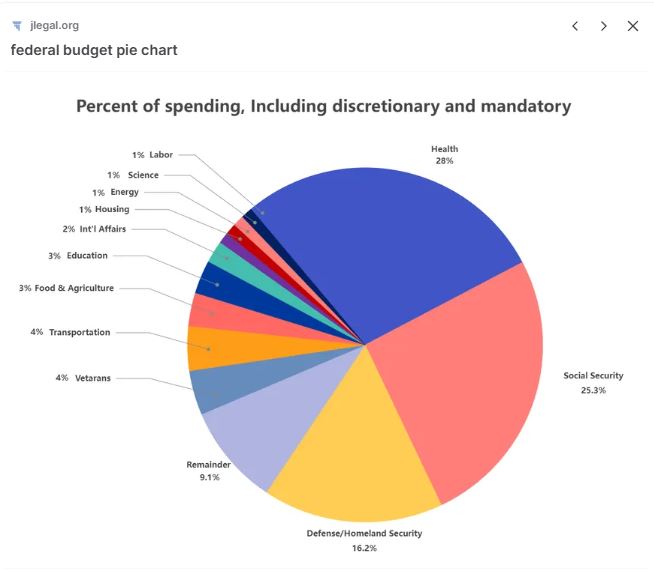
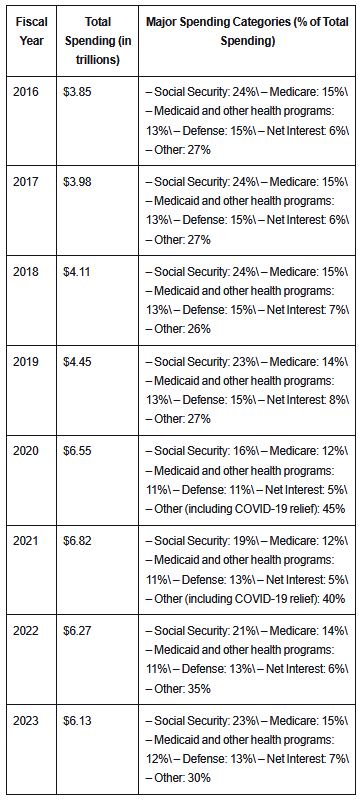
U.S. federal government spending has allocated funds across various categories over the past eight fiscal years (2016–2023). The discretionary budget, determined by Congress through the appropriations process, is allocated for various programs each year, including national defense, education, and transportation. Here’s a summary of the major spending areas:[see image]
Federal Budget Overview The federal budget is a comprehensive financial plan that outlines the government’s projected income and expenditures for a fiscal year. Prepared by the Office of Management and Budget (OMB) and submitted to Congress for approval, the federal budget serves as a blueprint for how the federal government spends money. It is divided into two main categories: mandatory spending and discretionary spending. Mandatory Spending: This category includes programs that are funded by law and do not require annual appropriations. Key programs under mandatory spending include Social Security, Medicare, and Medicaid. These programs provide essential services and benefits to millions of Americans, constituting a significant portion of the federal budget. Discretionary Spending: Unlike mandatory spending, discretionary spending is determined through annual appropriations bills. This category includes funding for national defense, education, infrastructure, and various other federal programs. Discretionary spending is more flexible and can be adjusted based on the federal government’s priorities. Understanding the distinction between mandatory and discretionary spending is crucial for comprehending how the federal government allocates its resources and addresses national needs.
Federal Revenue and Deficit - financial, analysis, accounting The federal government generates revenue through various sources, including individual income taxes, payroll taxes, corporate income taxes, and customs duties. Individual and payroll taxes are the largest sources of federal revenue, providing the bulk of the government’s income. On the expenditure side, the federal government incurs costs through mandatory spending programs such as Social Security and Medicare and discretionary spending programs like defense and education. Additionally, the government must make interest payments on the national debt. When the government’s expenses exceed its revenue, it runs a deficit. The deficit is the difference between the government’s total spending and its total revenue. Over time, these deficits accumulate, contributing to the national debt. Understanding the federal deficit and national debt is essential for grasping the broader implications of federal government spending and fiscal policy.