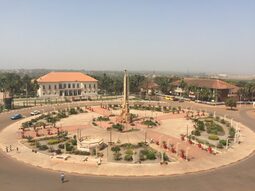
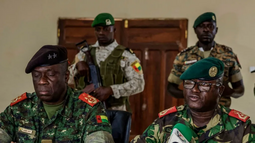
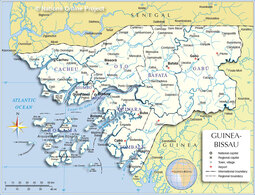
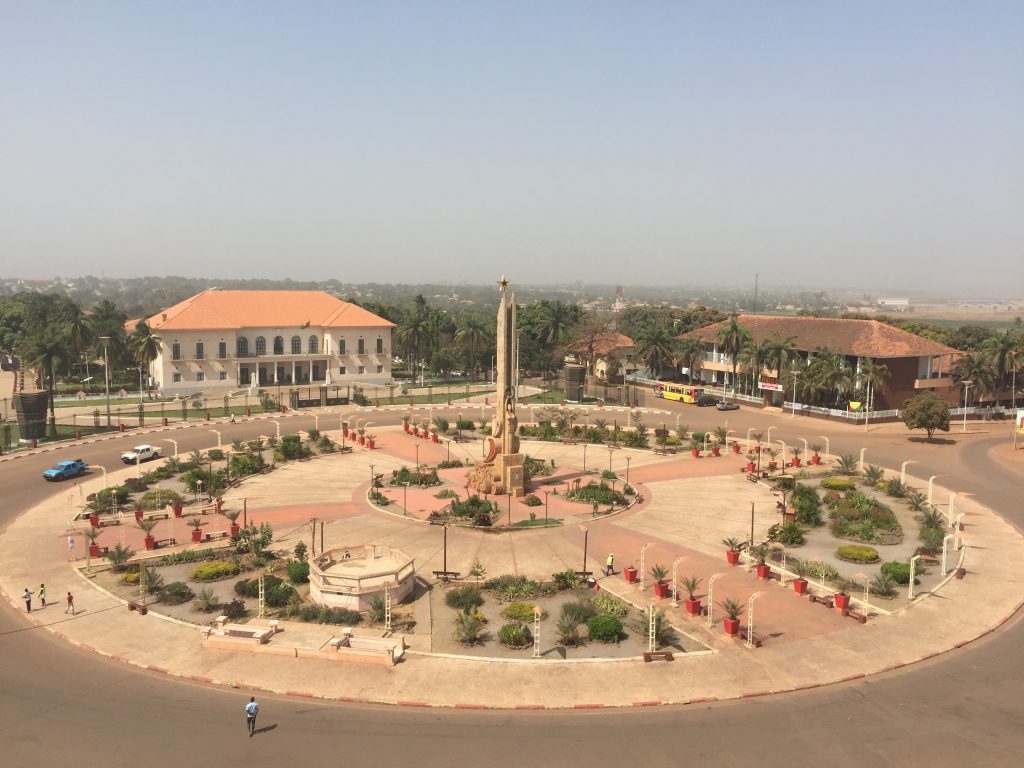
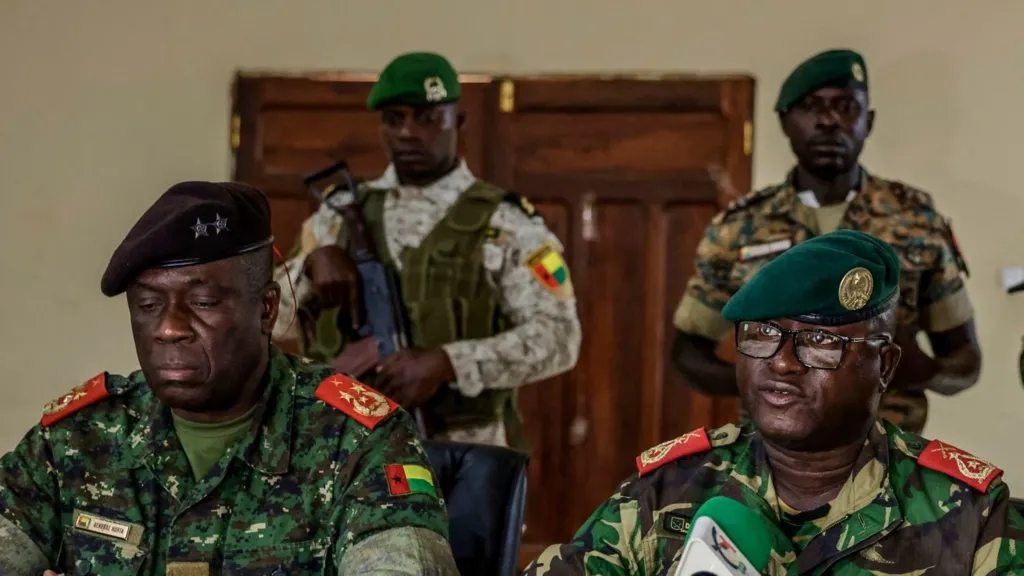
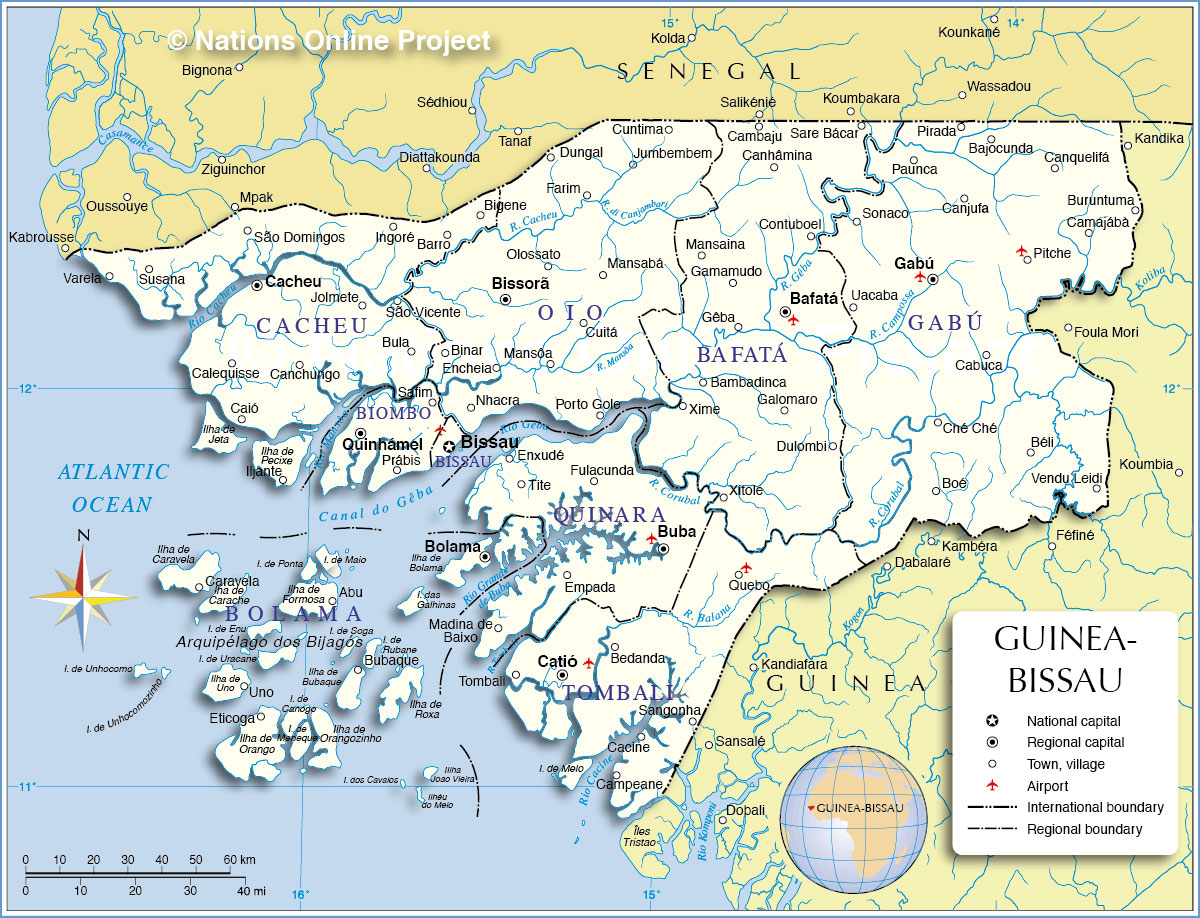
A coup, a coup, a coup! This time in ... drumroll... Guinea-Bissau Picturesque description of the events by Le Monde: https://www.lemonde.fr/en/international/article/2025/11/26/guinea-bissau-military-declare-taking-over-leadership-of-the-country_6747857_4.html This is very typical for these African countries: >The High Military Command for the re-establishment of national and public order decides to immediately depose the president of the republic, to suspend, until new orders, all of the institutions They do it to preserve the legal order. Then they probably move on to declaring they are temporarily in power to oversee a democratic election at the end. They say the president... >aimed to destabilize the country by attempting to "manipulate electoral results." ...was undemocratic and unconstitutional and the military had to step in. Such cases. Same happened in Mali. As Luttwak states in his great book - Coup d'État: A Practical Handbook - African coups usually take the form of pronunciamento which is a liberal rather than a reactionary phenomenon, the purpose of the takeover is to ascertain the "national will". Always carried out by in the name of the entire officer corps - unlike the putsch which represents a faction within the army. Worth to note, it's always some lower ranking general or colonel. There is a reason to this. See Luttwak. It would be interesting to listen their whole announcement they did after the coup. Again Luttwak says there are traditional formulas, to pacify the population, calm down certain multi-corpos active in the country, to express alignments, maintain alliances, refuse colonialism etc. The promise of election is always a nod to Western Democracies. And the reaction of foreign powers: always concerned, urging non-violence and elections.
 11/27/2025 (Thu) 15:54
No.54863
del
11/27/2025 (Thu) 15:54
No.54863
del